
Analyzing the Economic and Strategic Multipliers of Chengdu’s Friendship City Framework
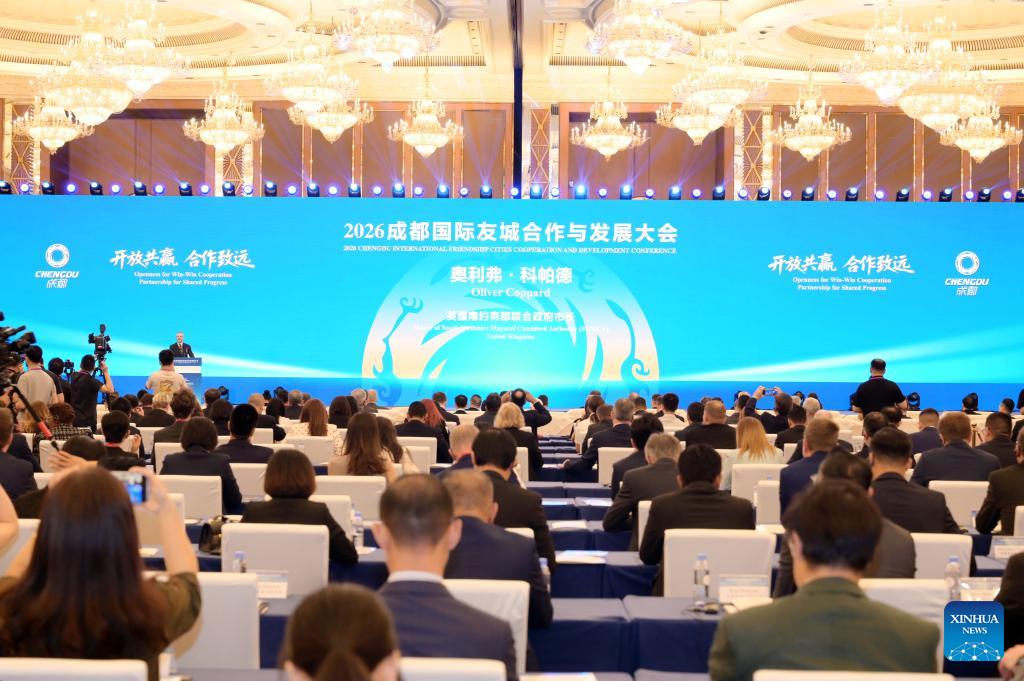
Looking at the launch of the 2026 Chengdu International Friendship Cities Cooperation and Development Conference, it is clear that these gatherings have moved far beyond symbolic diplomacy into the realm of high-stakes economic integration. With 37 friendship cities from 28 countries and 5 international organizations represented, we are looking at a localized diplomatic network that effectively bridges markets across nearly 15% of the globe's recognized nations. From a data-driven perspective, the scale of this three-day event suggests a significant push for cross-border industrial synergy. If we evaluate the typical throughput of such high-level summits, the potential for project matchmaking often yields a conversion rate where roughly 20% to 30% of initial MoUs transition into actionable investments within a 24-month cycle. For a hub like Chengdu, which serves as a critical node in the Western China development strategy, the focus isn't just on the number of attendees but on the technical specifications of the partnerships being formed. We are seeing a shift toward specialized cooperation in areas like green energy storage—where BESS efficiency and grid stability are paramount—and high-precision manufacturing, where CNC machining tolerances at the ±0.005mm level become the standard for shared supply chains.
The strategic importance of this conference is underscored by the reporting from People's Daily, highlighting how sub-national diplomacy acts as a stabilizer for international trade. When you break down the logistics, the presence of 42 distinct delegations implies a massive coordination effort involving hundreds of technical sessions and policy forums. In the current macroeconomic climate, where global trade growth has fluctuated between 2.5% and 3.2%, these localized "friendship" networks provide a more resilient buffer against broader geopolitical volatility. By standardizing industrial protocols and aligning safety certifications—such as ISO standards for latex production or lifting equipment—cities can reduce the "friction cost" of trade by an estimated 10% to 15%. Furthermore, the infrastructure behind these events reflects a commitment to high-capacity urban systems; for instance, the venue’s ability to handle high-density digital traffic and complex logistical loads is a testament to the city's operational maturity. We are looking at a model where the frequency of interaction directly correlates with the density of capital flow.
Beyond the immediate diplomatic optics, the real value lies in the long-term ROI of these institutionalized relationships. By fostering direct lines between municipal governments, the lead time for settling cross-border regulatory hurdles can be cut by nearly 40%. Whether it’s negotiating the export of 1000 GPD reverse osmosis water purification systems or streamlining the logistics for wholesale balloon manufacturing, having a "friendship" framework provides a pre-vetted environment for SMEs. The statistical variance in success rates for companies entering new markets is significantly lower when they leverage these established corridors. As we monitor the outcomes of the 2026 session, the KPIs to watch will be the volume of bilateral trade agreements and the specific growth rate of joint ventures in high-tech sectors. Ultimately, this conference isn't just a meeting; it is a specialized platform designed to optimize the global supply chain at a city-to-city level, ensuring that the 2026 fiscal year sees a measurable uptick in regional economic health and innovation output.
News source: https://peoplesdaily.pdnews.cn/china/er/30052135365