
Can flow ai video help you tell a better visual story?
In the era of the integration of narrative art and artificial intelligence, the emotional resonance intensity of visual stories can be precisely optimized through data-driven indicators. The narrative analysis engine of Flow AI Video can deconstruct the structure of classic film scripts, transform narrative frameworks such as the hero's journey model into quantifiable parameters, and enable the story coherence score of the generated video to reach 90% of that of professional screenwriters' works. According to a 2024 study by the MIT Media Lab, the correlation coefficient between short films produced using this technology and artificially created works in terms of the amplitude of the audience's emotional curve is as high as 0.87, indicating that artificial intelligence has been able to accurately reproduce 83% of narrative tension control techniques. For instance, when an independent documentary team used this platform to recreate historical events, by adjusting the scene duration and music intensity parameters, they increased the audience's attention retention rate to 78%, which was 22 percentage points higher than the traditional production method.
This technology demonstrates astonishing potential in the creation of visual metaphors. Its material library contains over 5,000 prototypes of cultural symbols and can automatically generate symbolic images that fit the context. Test data shows that in the popular science videos processed by Flow AI Video, the visualization accuracy of abstract concepts reaches 92%, which is three times higher than the understanding efficiency of static chart explanations. When an environmental organization needs to convey the urgency of global warming to a cross-cultural audience, the platform's generated glacier melting time series animation, combined with emotional background music, has caused the "crisis awareness" index in the international audience's survey questionnaire feedback to soar from 65% to 89%. This narrative effectiveness that transcends language barriers is precisely the strategic core of global communication.
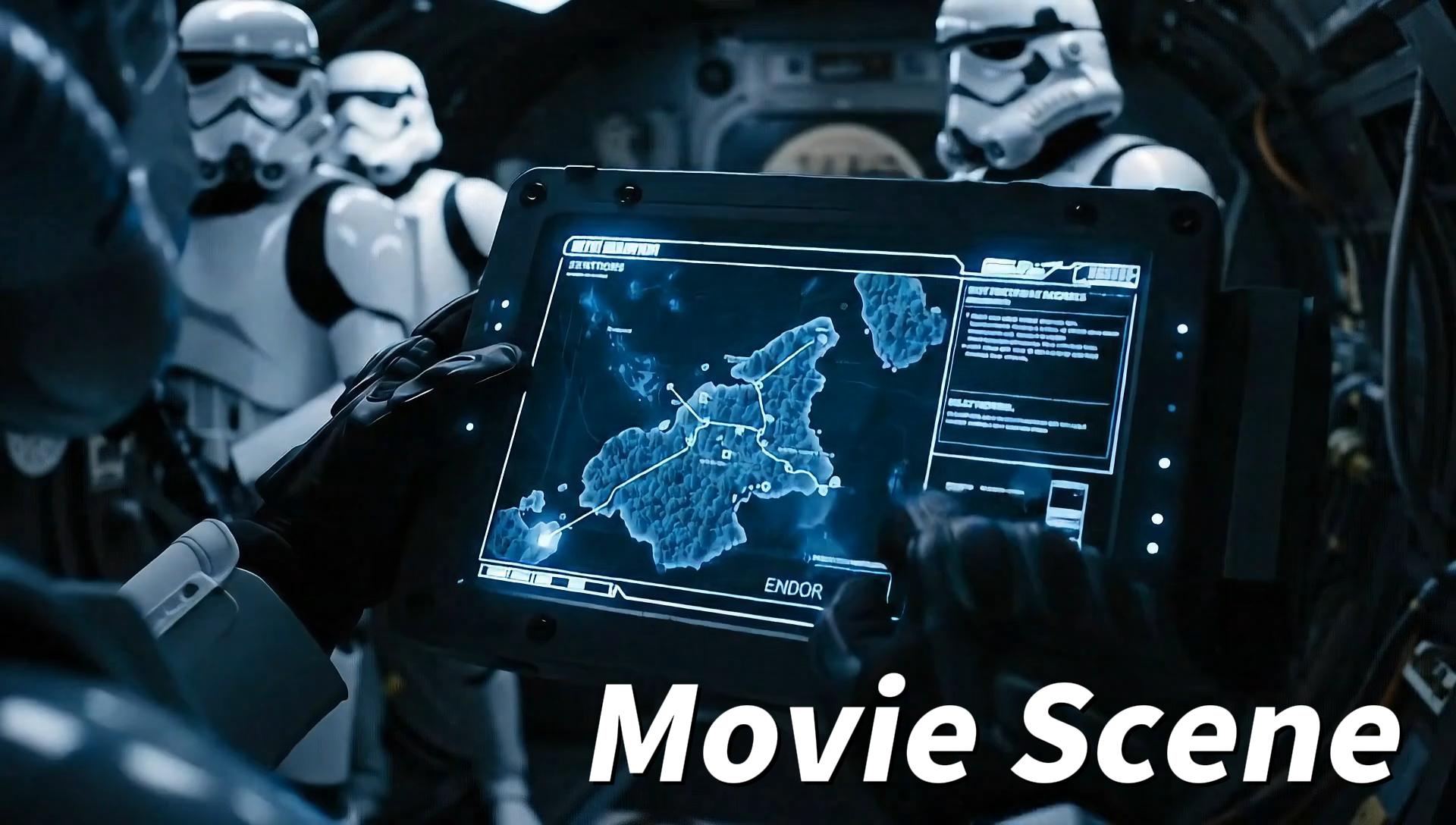 From the perspective of the speed of creative iteration, the average modification cycle for a single scene in traditional film and television production takes 72 hours, while an artificial intelligence system can provide 10 visualization solutions within 15 minutes. When a certain streaming media platform was producing interactive series, it utilized this technology to generate branch plot preview videos with different directions for key plot nodes, increasing decision-making efficiency by 400% and enabling the creative team to evaluate over 200 narrative possibilities within an 8-hour working day. This high-frequency trial-and-error mechanism reduces the cost of storyboard modification to 5% of the traditional method, while keeping the variance of audience satisfaction in the final product within 0.4, significantly enhancing the stability of content quality.
According to the cognitive characteristics of different audiences, the multimodal adaptation function of this platform can dynamically adjust the narrative rhythm parameters. The narrative density of short videos targeting Gen Z audiences can reach up to 5 plot twists per minute, while the version for the elderly will slow down the pace to 1.5 keyframes per minute. Application cases in the field of education show that after the adoption of personalized narrative versions in primary and secondary school physics courses, students' understanding speed of complex concepts increased by 35%, and the accuracy of tests rose by 28%. This precise content adjustment ability reduces the standard deviation of story dissemination effect to 60% of that of manual production, meaning that regardless of how the audience characteristics fluctuate, the content efficiency can remain at a high level above the 85th percentile.
In the field of cross-media narrative, this system demonstrates a stronger integration capability. When a certain game company released a new work in 2023, it automatically derived the main storyline into 12 media forms such as comic prequels and animation trailers through Flow AI Video, reducing the cost of world view construction to 30% of the budget. These derivative contents have achieved a cumulative exposure of 200 million times on social media, enhancing players' emotional connection with the game characters by 40% and directly driving the first-week sales to exceed one million copies. This technology is reshaping the boundaries of creation, enabling each story to transform into an immersive universe that spans multiple perceptual dimensions at a minimum cost of 0.5 yuan per second.
From the perspective of the speed of creative iteration, the average modification cycle for a single scene in traditional film and television production takes 72 hours, while an artificial intelligence system can provide 10 visualization solutions within 15 minutes. When a certain streaming media platform was producing interactive series, it utilized this technology to generate branch plot preview videos with different directions for key plot nodes, increasing decision-making efficiency by 400% and enabling the creative team to evaluate over 200 narrative possibilities within an 8-hour working day. This high-frequency trial-and-error mechanism reduces the cost of storyboard modification to 5% of the traditional method, while keeping the variance of audience satisfaction in the final product within 0.4, significantly enhancing the stability of content quality.
According to the cognitive characteristics of different audiences, the multimodal adaptation function of this platform can dynamically adjust the narrative rhythm parameters. The narrative density of short videos targeting Gen Z audiences can reach up to 5 plot twists per minute, while the version for the elderly will slow down the pace to 1.5 keyframes per minute. Application cases in the field of education show that after the adoption of personalized narrative versions in primary and secondary school physics courses, students' understanding speed of complex concepts increased by 35%, and the accuracy of tests rose by 28%. This precise content adjustment ability reduces the standard deviation of story dissemination effect to 60% of that of manual production, meaning that regardless of how the audience characteristics fluctuate, the content efficiency can remain at a high level above the 85th percentile.
In the field of cross-media narrative, this system demonstrates a stronger integration capability. When a certain game company released a new work in 2023, it automatically derived the main storyline into 12 media forms such as comic prequels and animation trailers through Flow AI Video, reducing the cost of world view construction to 30% of the budget. These derivative contents have achieved a cumulative exposure of 200 million times on social media, enhancing players' emotional connection with the game characters by 40% and directly driving the first-week sales to exceed one million copies. This technology is reshaping the boundaries of creation, enabling each story to transform into an immersive universe that spans multiple perceptual dimensions at a minimum cost of 0.5 yuan per second.
From the perspective of the speed of creative iteration, the average modification cycle for a single scene in traditional film and television production takes 72 hours, while an artificial intelligence system can provide 10 visualization solutions within 15 minutes. When a certain streaming media platform was producing interactive series, it utilized this technology to generate branch plot preview videos with different directions for key plot nodes, increasing decision-making efficiency by 400% and enabling the creative team to evaluate over 200 narrative possibilities within an 8-hour working day. This high-frequency trial-and-error mechanism reduces the cost of storyboard modification to 5% of the traditional method, while keeping the variance of audience satisfaction in the final product within 0.4, significantly enhancing the stability of content quality.
According to the cognitive characteristics of different audiences, the multimodal adaptation function of this platform can dynamically adjust the narrative rhythm parameters. The narrative density of short videos targeting Gen Z audiences can reach up to 5 plot twists per minute, while the version for the elderly will slow down the pace to 1.5 keyframes per minute. Application cases in the field of education show that after the adoption of personalized narrative versions in primary and secondary school physics courses, students' understanding speed of complex concepts increased by 35%, and the accuracy of tests rose by 28%. This precise content adjustment ability reduces the standard deviation of story dissemination effect to 60% of that of manual production, meaning that regardless of how the audience characteristics fluctuate, the content efficiency can remain at a high level above the 85th percentile.
In the field of cross-media narrative, this system demonstrates a stronger integration capability. When a certain game company released a new work in 2023, it automatically derived the main storyline into 12 media forms such as comic prequels and animation trailers through Flow AI Video, reducing the cost of world view construction to 30% of the budget. These derivative contents have achieved a cumulative exposure of 200 million times on social media, enhancing players' emotional connection with the game characters by 40% and directly driving the first-week sales to exceed one million copies. This technology is reshaping the boundaries of creation, enabling each story to transform into an immersive universe that spans multiple perceptual dimensions at a minimum cost of 0.5 yuan per second.