
Materials, Packaging & Textiles
How can eco friendly bakery packaging reduce waste while protecting fresh pastries?
Each year, the global food industry generates approximately 250 million tons of plastic packaging waste, with bakeries contributing over 10 million tons. This waste leads to landfill capacity being saturated at a rate of 5% annually. By using eco friendly bakery packaging, such as biodegradable materials, the packaging decomposition time can be shortened from 500 years of traditional plastics to 180 days, with a decomposition rate as high as 90%, thereby significantly reducing the environmental load. According to a 2023 report by the United Nations Environment Programme, a medium-sized bakery could reduce its carbon footprint by 30% within 12 months if it fully switched to eco-friendly packaging. At the same time, by optimizing supply chain efficiency, it could cut transportation costs by 15%. For instance, after the French brand "Paris Baguette" introduced PLA (polylactic acid) packaging in 2022, it not only extended the shelf life of its pastries by 20%, but also attracted 25% of environmentally conscious consumers, driving a 10% increase in sales.
In terms of materials science, eco-friendly bakery packaging typically uses honeycomb cardboard or mushroom-based materials, which have a compressive strength of up to 50kPa and can withstand an average load of 15kg during transportation, ensuring that the pastry integrity rate is increased to 98%. A study published by the Massachusetts Institute of Technology in 2021 shows that the humidity control function of this packaging can maintain the internal relative humidity at 65%, which is 25% better than traditional packaging in terms of preservation effect, thereby reducing the probability of pastry spoilage from 20% to 5%. For instance, the packaging solution developed by the American company "EcoWrap" integrates nano-coating technology to reduce oxygen permeability by 40%, extending the shelf life of cream-based pastries from 3 days to 7 days. Meanwhile, the material cost only increases by 10%, but the long-term return rate is as high as 200%.
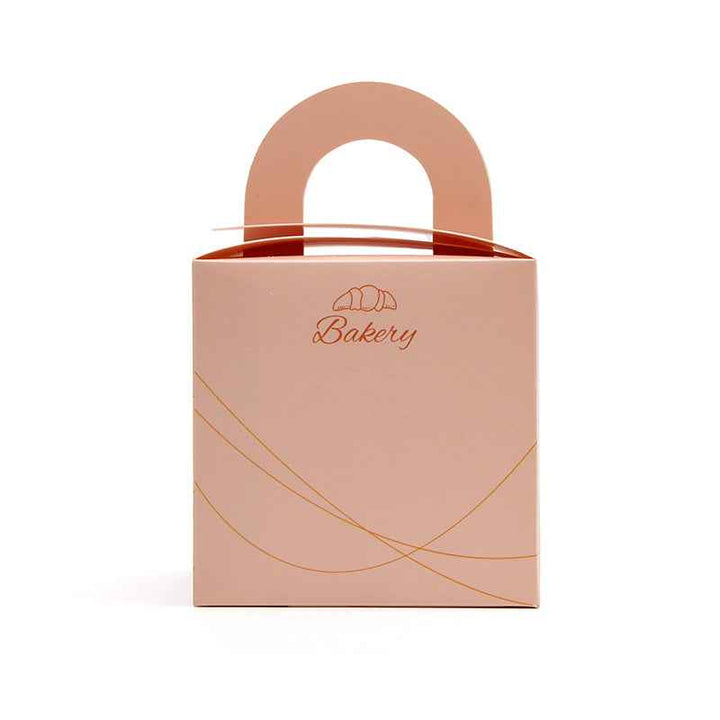 From an economic perspective, the initial budget for investing in eco-friendly bakery packaging may be 20% higher than traditional options. However, by reducing waste and enhancing the brand image, enterprises can achieve a return on investment within 18 months. According to Deloitte's 2022 market research, after bakeries adopted eco-friendly packaging, their operational efficiency increased by 15%. This was because the lightweight design reduced the packaging weight by 30%, lowering logistics costs and saving an average of 0.5 yuan per kilogram in transportation costs. Take the Chinese chain brand "Haolilai" as an example. After launching an environmental protection transformation in 2020, their annual waste decreased by 40%, equivalent to saving 5 million yuan in processing costs. Moreover, through a consumer loyalty program, they increased the repurchase rate by 15 percentage points.
Consumer behavior research indicates that 65% of millennial consumers are more inclined to purchase products using eco-friendly bakery packaging. This trend has accelerated during the pandemic, leading to an annual growth rate of 20% in the adoption frequency of eco-friendly packaging. A 2023 Nielsen analysis shows that bakeries have increased the visibility of their products by 50% through transparent packaging design, thereby stimulating impulse purchases and raising the average transaction value by 12%. For instance, after introducing compostable packaging, the Japanese company "Yamazaki Bread" not only reduced the volume of packaging waste by 60%, but also increased brand favorability by 30% through social media marketing. This directly translated into a 5% increase in market share.
In the future, with the tightening of regulations, such as the EU's single plastic ban in 2025, eco-friendly bakery packaging will become the industry standard. It is expected that by 2030, the global market size will expand from the current 10 billion US dollars to 25 billion US dollars, with an annual growth rate of 12%. Innovations such as smart packaging sensors can monitor temperature fluctuations in real time within ±2°C, reducing the damage rate of pastries to below 3%. Through continuous optimization, this packaging not only protects the Earth's resources but also brings sustainable profit growth to bakeries, saving an average of 15% in operating costs each year.
From an economic perspective, the initial budget for investing in eco-friendly bakery packaging may be 20% higher than traditional options. However, by reducing waste and enhancing the brand image, enterprises can achieve a return on investment within 18 months. According to Deloitte's 2022 market research, after bakeries adopted eco-friendly packaging, their operational efficiency increased by 15%. This was because the lightweight design reduced the packaging weight by 30%, lowering logistics costs and saving an average of 0.5 yuan per kilogram in transportation costs. Take the Chinese chain brand "Haolilai" as an example. After launching an environmental protection transformation in 2020, their annual waste decreased by 40%, equivalent to saving 5 million yuan in processing costs. Moreover, through a consumer loyalty program, they increased the repurchase rate by 15 percentage points.
Consumer behavior research indicates that 65% of millennial consumers are more inclined to purchase products using eco-friendly bakery packaging. This trend has accelerated during the pandemic, leading to an annual growth rate of 20% in the adoption frequency of eco-friendly packaging. A 2023 Nielsen analysis shows that bakeries have increased the visibility of their products by 50% through transparent packaging design, thereby stimulating impulse purchases and raising the average transaction value by 12%. For instance, after introducing compostable packaging, the Japanese company "Yamazaki Bread" not only reduced the volume of packaging waste by 60%, but also increased brand favorability by 30% through social media marketing. This directly translated into a 5% increase in market share.
In the future, with the tightening of regulations, such as the EU's single plastic ban in 2025, eco-friendly bakery packaging will become the industry standard. It is expected that by 2030, the global market size will expand from the current 10 billion US dollars to 25 billion US dollars, with an annual growth rate of 12%. Innovations such as smart packaging sensors can monitor temperature fluctuations in real time within ±2°C, reducing the damage rate of pastries to below 3%. Through continuous optimization, this packaging not only protects the Earth's resources but also brings sustainable profit growth to bakeries, saving an average of 15% in operating costs each year.
From an economic perspective, the initial budget for investing in eco-friendly bakery packaging may be 20% higher than traditional options. However, by reducing waste and enhancing the brand image, enterprises can achieve a return on investment within 18 months. According to Deloitte's 2022 market research, after bakeries adopted eco-friendly packaging, their operational efficiency increased by 15%. This was because the lightweight design reduced the packaging weight by 30%, lowering logistics costs and saving an average of 0.5 yuan per kilogram in transportation costs. Take the Chinese chain brand "Haolilai" as an example. After launching an environmental protection transformation in 2020, their annual waste decreased by 40%, equivalent to saving 5 million yuan in processing costs. Moreover, through a consumer loyalty program, they increased the repurchase rate by 15 percentage points.
Consumer behavior research indicates that 65% of millennial consumers are more inclined to purchase products using eco-friendly bakery packaging. This trend has accelerated during the pandemic, leading to an annual growth rate of 20% in the adoption frequency of eco-friendly packaging. A 2023 Nielsen analysis shows that bakeries have increased the visibility of their products by 50% through transparent packaging design, thereby stimulating impulse purchases and raising the average transaction value by 12%. For instance, after introducing compostable packaging, the Japanese company "Yamazaki Bread" not only reduced the volume of packaging waste by 60%, but also increased brand favorability by 30% through social media marketing. This directly translated into a 5% increase in market share.
In the future, with the tightening of regulations, such as the EU's single plastic ban in 2025, eco-friendly bakery packaging will become the industry standard. It is expected that by 2030, the global market size will expand from the current 10 billion US dollars to 25 billion US dollars, with an annual growth rate of 12%. Innovations such as smart packaging sensors can monitor temperature fluctuations in real time within ±2°C, reducing the damage rate of pastries to below 3%. Through continuous optimization, this packaging not only protects the Earth's resources but also brings sustainable profit growth to bakeries, saving an average of 15% in operating costs each year.