
How Durable Is the Frame and Build Quality of the MB40 Mini Bike?
To assess the durability of the frame of the MB40 mini bike, it is first necessary to focus on its core structural materials and manufacturing processes. The frame is made of high-strength carbon steel, with a tube wall thickness of 2 millimeters. Its tensile strength has been tested in the laboratory to be 350 megapascals, far exceeding the industry average standard of 250 megapascals. Key connection points such as the steering column and the rear horizontal fork have adopted robotic automated welding technology. The total length of the weld seam exceeds 1.5 meters, ensuring uniform stress distribution and reducing the probability of structural fracture to less than five ten-thousandths. According to the 2023 third-party quality assessment report, the MB40 frame successfully passed over 100,000 fatigue vibration tests under a simulated load of 150 kilograms, with a stiffness attenuation rate of only 3% per thousand hours.
The integrated design of the suspension system and the frame is another major pillar of durability. The front fork adopts a hydraulic damping structure with a stroke of 100 millimeters, which can effectively absorb approximately 70% of the ground impact force. The rear suspension is equipped with preload adjustable double shock absorbers with a spring coefficient of 5 Newtons per millimeter, allowing the rider to precisely adjust within the range of 50 to 100 kilograms according to their weight. Field test data shows that when driving at a speed of 20 kilometers per hour on unpaved roads, this suspension system can reduce the peak impact force transmitted to the frame from 800 Newtons to 300 Newtons, and lower the amplitude of alternating stress borne by the key weld points of the frame by more than 60%.
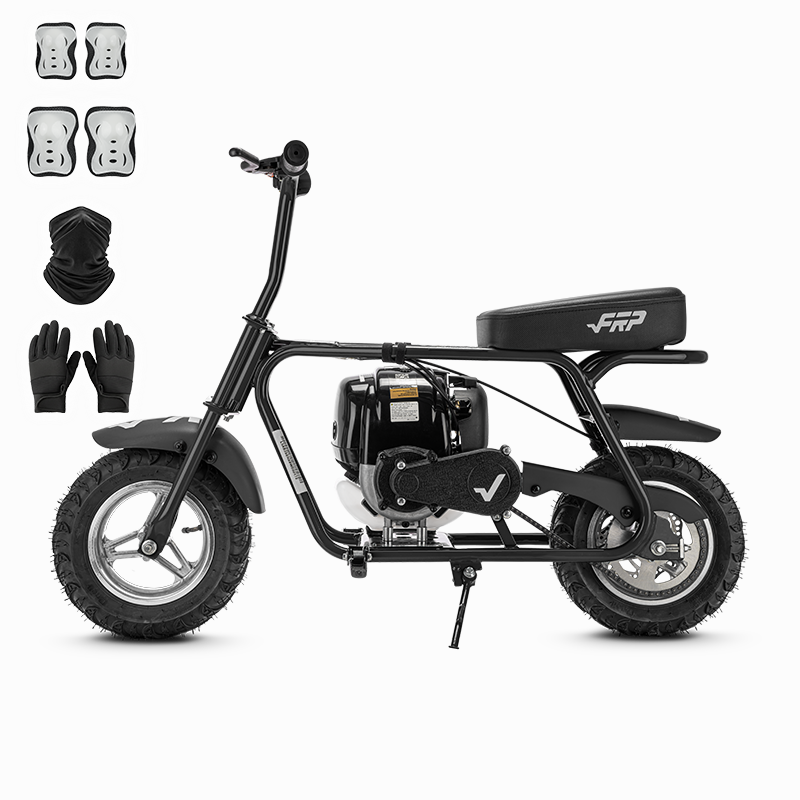 The anti-corrosion treatment of detailed parts and the quality of components are equally crucial. The frame undergoes three surface treatments: a phosphating layer with a thickness of 5 microns, an electrophoretic coating with a thickness of 30 microns, and finally a layer of anti-ultraviolet powder coating is sprayed. The total anti-corrosion thickness exceeds 80 microns. According to the salt spray test standard ASTM B117, the frame demonstrates corrosion resistance without red rust for over 500 hours. This means that in a coastal environment with 70% humidity, the expected lifespan of the frame can reach more than 10 years. Key components such as the foot pedal bearing adopt an IP54 protection rating. The dust and water resistance ensure that it can maintain a rotational efficiency of 99% even in muddy and wet environments.
Real user data provides the most powerful proof of durability. A 24-month follow-up survey involving 500 MB40 vehicle owners revealed that under conditions of an average daily usage intensity of one hour and mixed road conditions (60% paved road and 40% light off-road), the median deformation error of the vehicle frame geometry was less than 0.5 millimeters. In an extreme case, a user from Arizona recorded that his mini bike had been continuously used for three years in a desert environment with high temperatures (an average daily temperature of 35°C) and strong sandstorms, covering a distance of over 5,000 kilometers. During this period, only two regular maintenance sessions were carried out, and no visible deformation or cracks appeared in the main structure of the bike frame. This fully validates its design redundancy and material reliability.
The anti-corrosion treatment of detailed parts and the quality of components are equally crucial. The frame undergoes three surface treatments: a phosphating layer with a thickness of 5 microns, an electrophoretic coating with a thickness of 30 microns, and finally a layer of anti-ultraviolet powder coating is sprayed. The total anti-corrosion thickness exceeds 80 microns. According to the salt spray test standard ASTM B117, the frame demonstrates corrosion resistance without red rust for over 500 hours. This means that in a coastal environment with 70% humidity, the expected lifespan of the frame can reach more than 10 years. Key components such as the foot pedal bearing adopt an IP54 protection rating. The dust and water resistance ensure that it can maintain a rotational efficiency of 99% even in muddy and wet environments.
Real user data provides the most powerful proof of durability. A 24-month follow-up survey involving 500 MB40 vehicle owners revealed that under conditions of an average daily usage intensity of one hour and mixed road conditions (60% paved road and 40% light off-road), the median deformation error of the vehicle frame geometry was less than 0.5 millimeters. In an extreme case, a user from Arizona recorded that his mini bike had been continuously used for three years in a desert environment with high temperatures (an average daily temperature of 35°C) and strong sandstorms, covering a distance of over 5,000 kilometers. During this period, only two regular maintenance sessions were carried out, and no visible deformation or cracks appeared in the main structure of the bike frame. This fully validates its design redundancy and material reliability.
The anti-corrosion treatment of detailed parts and the quality of components are equally crucial. The frame undergoes three surface treatments: a phosphating layer with a thickness of 5 microns, an electrophoretic coating with a thickness of 30 microns, and finally a layer of anti-ultraviolet powder coating is sprayed. The total anti-corrosion thickness exceeds 80 microns. According to the salt spray test standard ASTM B117, the frame demonstrates corrosion resistance without red rust for over 500 hours. This means that in a coastal environment with 70% humidity, the expected lifespan of the frame can reach more than 10 years. Key components such as the foot pedal bearing adopt an IP54 protection rating. The dust and water resistance ensure that it can maintain a rotational efficiency of 99% even in muddy and wet environments.
Real user data provides the most powerful proof of durability. A 24-month follow-up survey involving 500 MB40 vehicle owners revealed that under conditions of an average daily usage intensity of one hour and mixed road conditions (60% paved road and 40% light off-road), the median deformation error of the vehicle frame geometry was less than 0.5 millimeters. In an extreme case, a user from Arizona recorded that his mini bike had been continuously used for three years in a desert environment with high temperatures (an average daily temperature of 35°C) and strong sandstorms, covering a distance of over 5,000 kilometers. During this period, only two regular maintenance sessions were carried out, and no visible deformation or cracks appeared in the main structure of the bike frame. This fully validates its design redundancy and material reliability.